
Movement changes across life stages, but the value of a sustainable routine is not limited to one age. After 40, people may be balancing work, caring responsibilities, previous injuries, changing sleep and different recovery needs. This guide looks at exercise through that wider lens. It considers strength, aerobic activity, mobility, rest and enjoyment as parts of a routine rather than competing identities. Research can help describe patterns, but a study cannot design an individual week. The most helpful plan is one that fits the person, the environment and the ability to recover.
Strength and everyday function
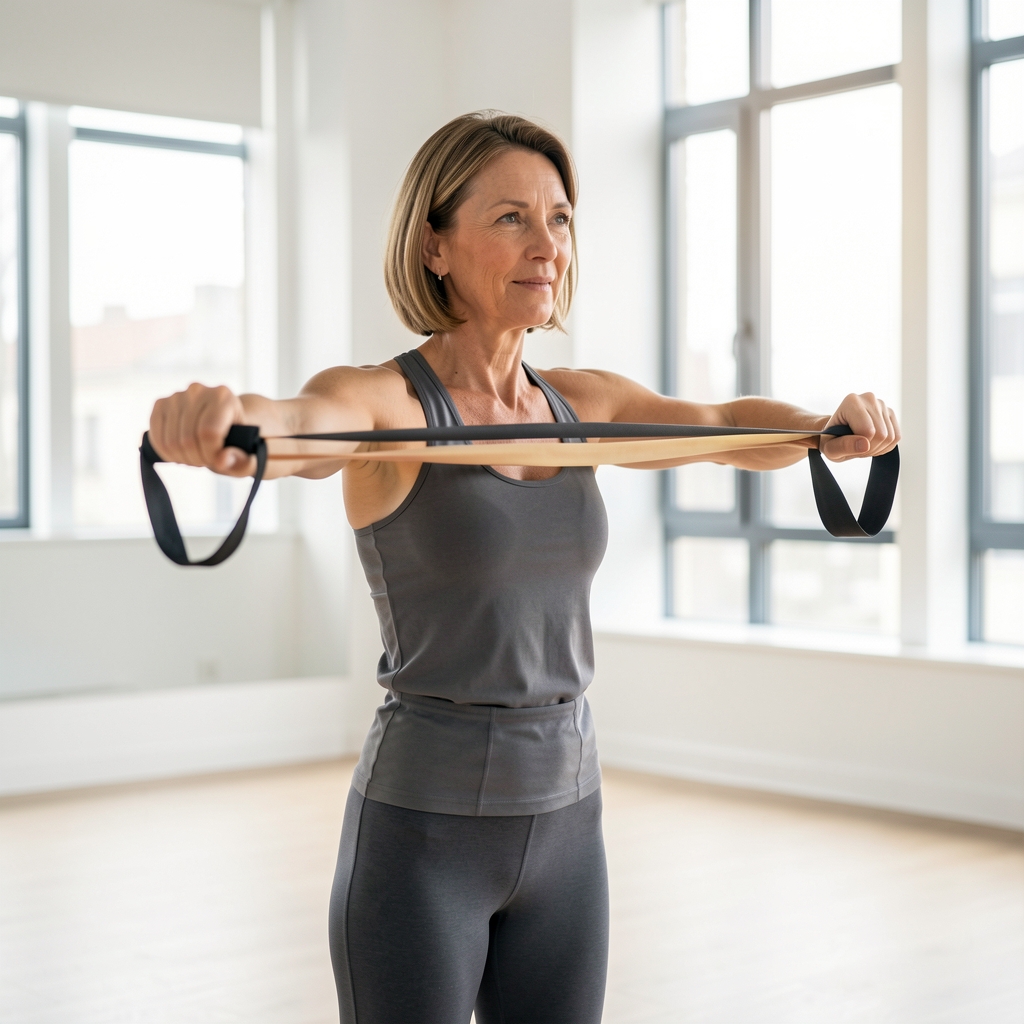
Resistance work can include bodyweight movements, bands, machines or free weights. The appropriate starting point depends on experience and context. Progress is often better understood through consistency and confidence than through a dramatic target.
Aerobic variety
Walking, cycling, swimming and dancing are examples of ways people can add movement. Intensity, duration and enjoyment vary. A mixture across the week can make a routine feel more adaptable.
Recovery is part of training
Rest days, sleep and manageable progression help a routine remain realistic. More is not always more useful. Notes about energy and recovery can guide a conversation with a qualified professional.
Building a weekly rhythm
- Choose activities that are practical and enjoyable.
- Include different types of movement where appropriate.
- Allow time for rest and adaptation.
- Review the routine when life circumstances change.
Key takeaways
- Exercise is broader than one training style.
- Recovery belongs in the plan.
- Consistency can be more useful than intensity.
- Personal context should shape personal guidance.