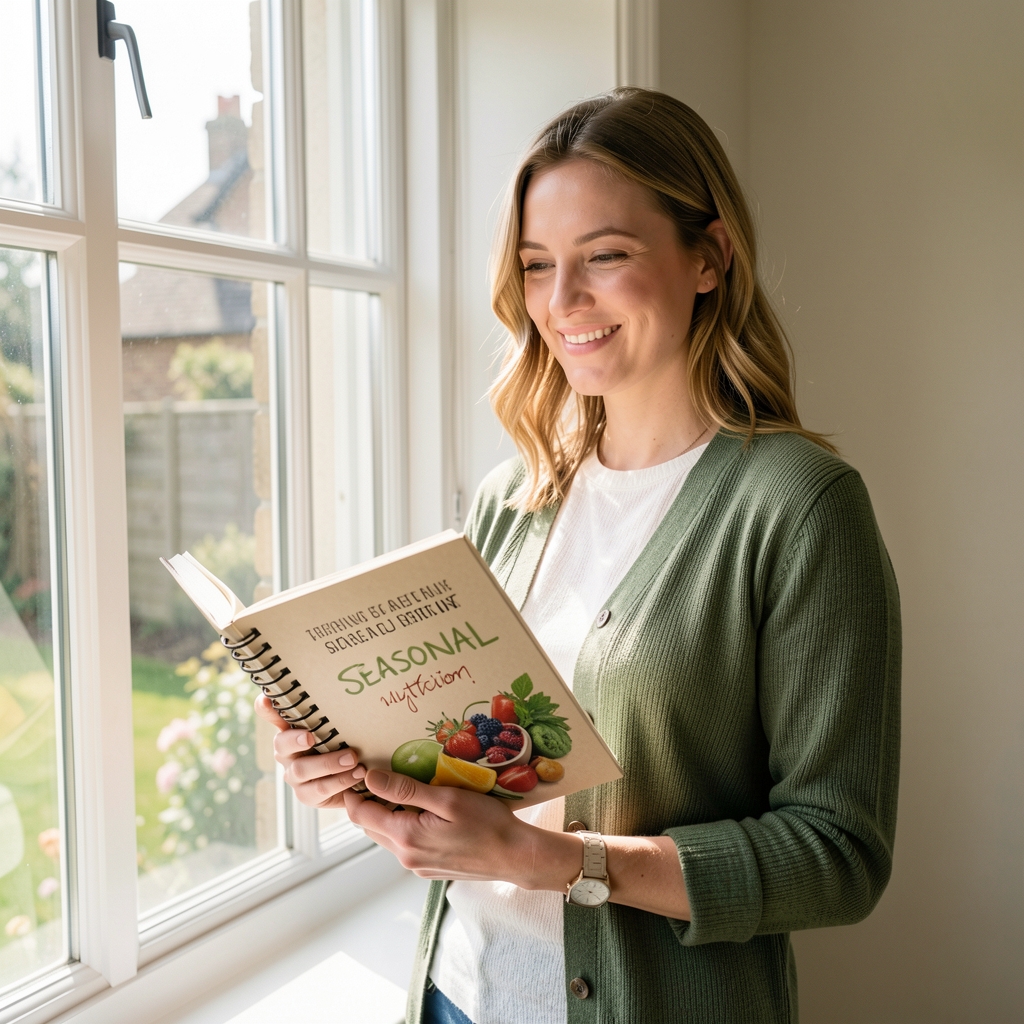
Vitamin D is often discussed in relation to daylight, food and seasonal routines. For adults over 40 in the United Kingdom, that conversation can be especially relevant during darker months, while still requiring careful wording. This article explains the basic vocabulary around vitamin D, why research findings need context and how readers can frame useful questions. It does not turn a nutrient into a promise. Nutritional status, individual circumstances and professional guidance all matter. The best editorial approach is to connect the headline topic with the wider pattern of diet, movement, sleep and time outdoors.
Daylight and seasonality
Daylight varies across the year and across the country. Clothing, indoor work and weather also influence routine. These observations describe context rather than offering a personal conclusion.
Food sources
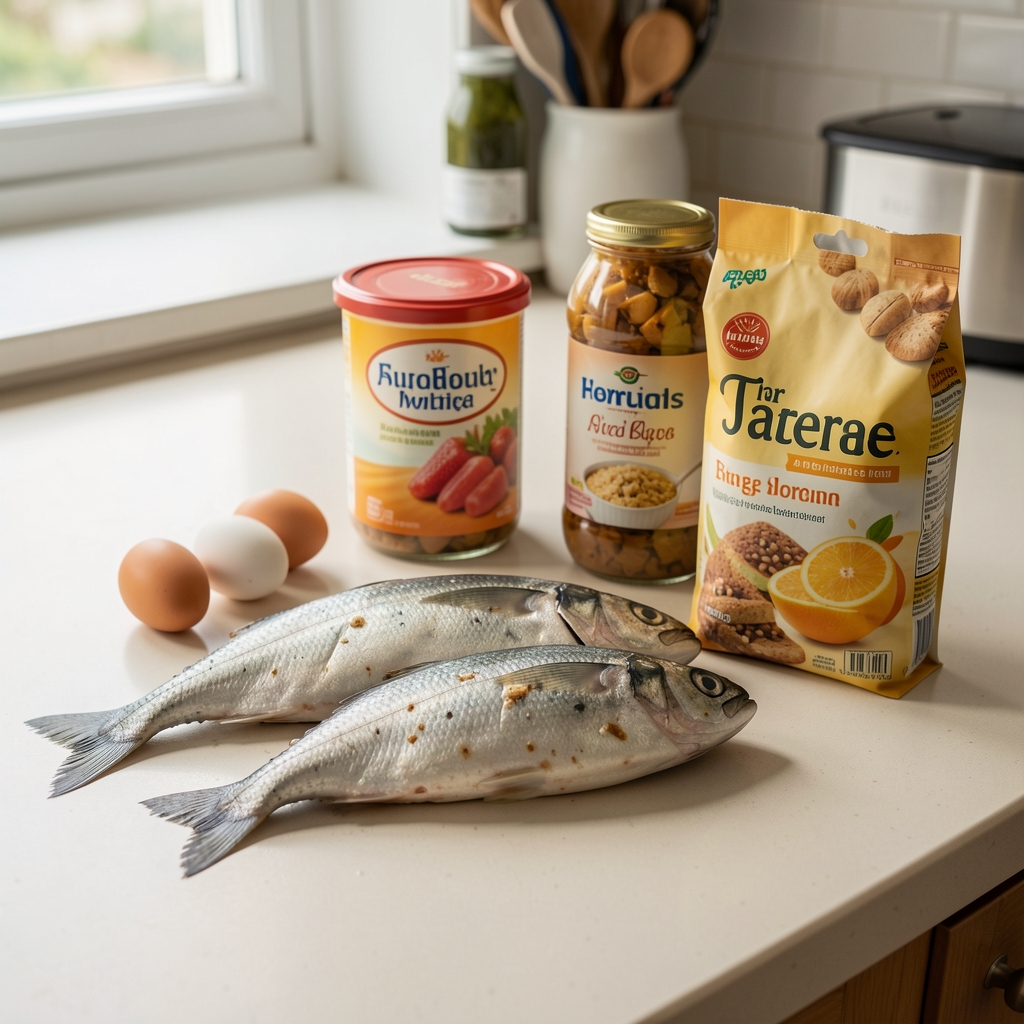
Oily fish, egg yolks and fortified foods can contribute vitamin D, depending on the food and portion. A balanced diet remains the wider framework for nutritional discussion.
Reading nutrient claims
Approved wording has a defined meaning and should not be stretched into a promise. When comparing sources, check whether a statement refers to the nutrient generally or to a particular product.
Questions for a professional
- What information is relevant to the individual context?
- Would seasonal timing change the discussion?
- Which dietary sources are already present?
Key takeaways
- Seasonality shapes the vitamin D conversation.
- Food sources form part of a varied diet.
- Claims should be read within their approved scope.