
The years after 40 can bring changes in energy, sleep, appetite, body composition and emotional rhythm. Hormones are part of that picture, but they are not the whole story. Age, routine, nutrition, movement, stress and personal history all influence how a person experiences this stage. This editorial overview introduces the language used in conversations about hormonal balance, explains why individual experiences vary and sets out a practical way to read research with care. It is designed for UK adults who want background information rather than a quick answer. The most useful starting point is often a clear description of what has changed, when it changed and what else was happening at the same time. Those details create better questions for a qualified professional and help separate broad population patterns from one person’s lived experience.
Hormones as messengers
Hormones are chemical messengers involved in many ordinary processes. Their levels can vary across a day, across a month and across different life stages. A single reading is therefore only one piece of information. Research papers may use averages across groups, while an individual is interested in a specific combination of experiences. Good editorial reading keeps both perspectives in view.
Why context matters
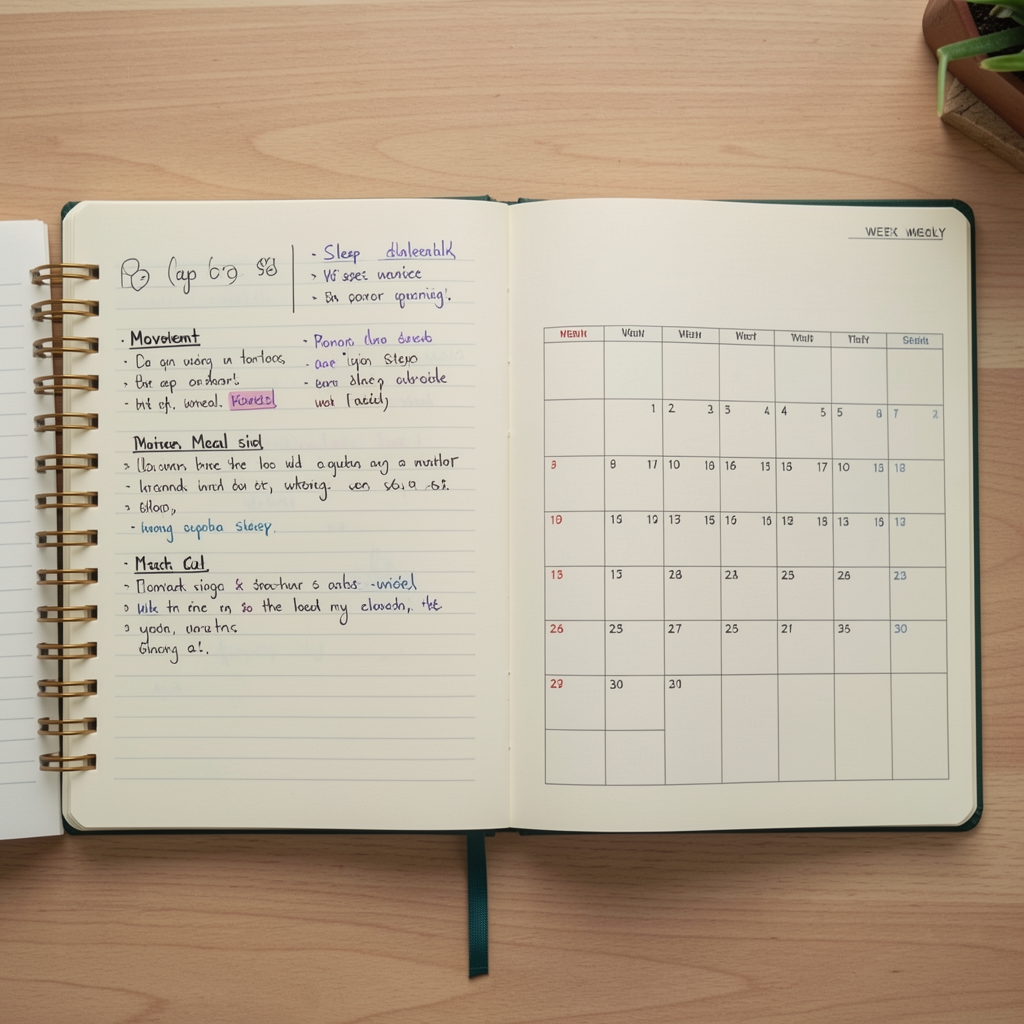
Sleep timing, alcohol, dietary pattern, training load, work demands and major life events can all sit alongside hormonal questions. That does not mean one factor explains everything. It means a useful discussion needs a wide lens. A diary of routines can make patterns easier to describe without turning every fluctuation into a conclusion.
Reading studies carefully
Notice who took part, how many people were included and how long the study lasted. Look for the outcome that was measured rather than relying on a headline. Observational work can show associations, while controlled studies may answer a different kind of question. Neither automatically maps onto every adult over 40.
Food and daily routines
A balanced diet offers a broad range of nutrients, while regular meals can make daily energy easier to observe. Movement may include walking, resistance work, mobility practice or enjoyable recreational activity. Sleep and recovery deserve equal attention. These are not quick fixes; they are useful areas of personal observation.
Questions worth recording
- When did the change begin, and is it consistent?
- Which routines appear to support a steadier day?
- What questions remain after reading the available information?
- Which details would be useful to share with a professional?
Key takeaways
- Hormonal patterns are only one part of life-stage change.
- Context and timing improve the quality of a conversation.
- Research findings need to be read alongside their methods.
- A calm record can be more useful than a dramatic headline.