Zinc and testosterone are often mentioned together online, yet the relationship is more nuanced than a single nutrient headline suggests. Zinc is an essential mineral found in foods such as meat, shellfish, dairy products, legumes, seeds and wholegrains. Testosterone is one hormone among many, and its levels naturally vary with age, time of day, sleep and wider health context. This guide reviews the vocabulary, food sources and research questions that matter when reading about zinc and testosterone levels in men over 40. It does not present a supplement routine or promise a particular outcome. Instead, it offers a structured way to distinguish nutritional adequacy from marketing language and to prepare thoughtful questions for a qualified healthcare professional.
What zinc does in the body
Zinc participates in numerous biological processes, including normal immune function and the maintenance of normal vision. This refers to the individual nutrient, not to any specific product. Food sources provide zinc alongside protein, fibre and other nutrients, which is one reason a varied diet is a useful foundation.
Food sources and portions
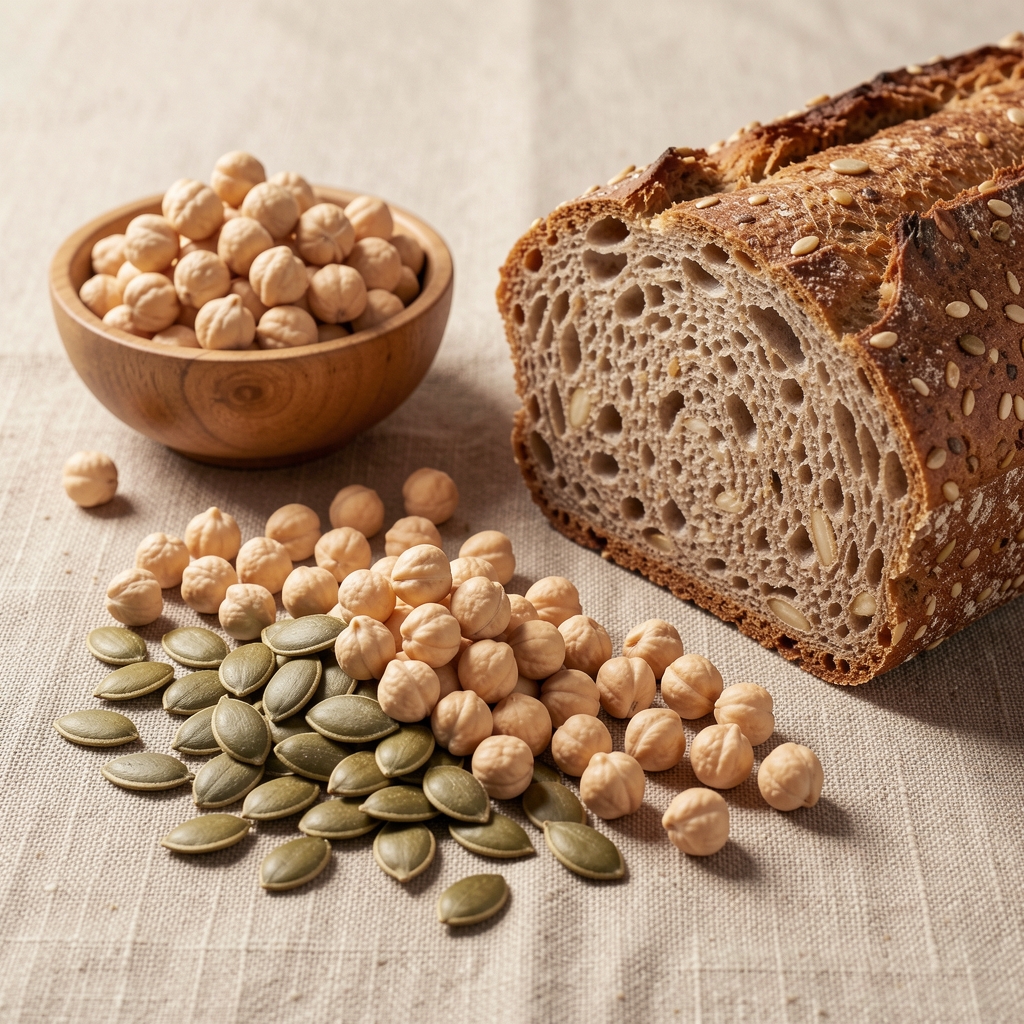
Oysters and other seafood can contain notable amounts, while meat, dairy, beans, lentils, pumpkin seeds and fortified cereals may contribute as well. Preparation and overall dietary pattern influence intake. A food diary can reveal whether variety is present before a person thinks about any supplement.

What research can show
Studies differ in participant age, starting nutritional status, duration and the way hormone levels are measured. A result in a group with low intake may not apply to people whose diet already supplies adequate zinc. Read the methods section and the actual outcome rather than only the conclusion.
Questions about supplements
Food supplements are not interchangeable with food, and more is not automatically better. Product labels, serving sizes and the presence of other ingredients deserve attention. People who take regular medicines or have a known health concern should discuss any proposed change with a qualified professional.
A balanced reading list
- Begin with dietary sources and overall pattern.
- Check how the study measured zinc status.
- Look for duration and participant details.
- Separate an association from a direct cause.
Key takeaways
- Zinc is an essential mineral with many roles.
- Hormone levels vary for several reasons.
- Study context matters more than a bold headline.
- Professional guidance is appropriate for personal decisions.